.jpg "Tooting Cleaner")
Affordable end of tenancy cleaning in Tooting SW17
Posted on 27/07/2026
Moving out is rarely just a matter of packing boxes and handing back the keys. There's the dust behind the radiator, the grubby skirting boards, the oven you meant to tackle last weekend, and that one patch on the carpet that always seems to appear under daylight. If you're looking for affordable end of tenancy cleaning in Tooting SW17, you're probably trying to balance three things at once: keeping costs sensible, meeting your landlord or agent's expectations, and getting the flat back into a condition that feels properly finished.
This guide breaks down what end of tenancy cleaning really involves, how to approach it without overspending, and where people often trip up. We'll cover the practical steps, a realistic way to compare options, and the little details that make a big difference when deposit disputes are on the line. If you want the broader picture of the company's local services too, it can help to skim the services overview alongside this article.
Truth be told, end of tenancy cleaning is one of those jobs that looks straightforward until you start doing it. Then suddenly the taps need descaling, the cooker hood is not as clean as you thought, and the windows seem to have developed opinions. The good news? With the right plan, it doesn't have to be stressful or expensive.

Why Affordable end of tenancy cleaning in Tooting SW17 Matters
At the end of a tenancy, cleaning is not just about making a place look decent. It is about restoring the property to the standard expected at move-in, allowing for fair wear and tear. In a busy area like Tooting SW17, where flats turn over quickly and people often move between rented homes, tenants need a practical way to finish well without paying over the odds.
Affordable does not mean cut-price in the careless sense. It means sensible value: enough thoroughness to satisfy the checkout process, without spending for services you do not actually need. That distinction matters. A cheap clean that misses the inside of cupboards or leaves limescale in the bathroom can end up costing more if the landlord or letting agent arranges a follow-up clean and deducts from the deposit.
There is also the emotional side, which people do not always say out loud. Moving is tiring. You're juggling removals, forwarding addresses, change of utilities, and the odd missing screw from the wardrobe. Having the cleaning handled properly takes one heavy task off your shoulders. It gives you a better chance of leaving the property in good order and walking away with a clear head.
For renters in Tooting, location adds a small layer of complexity too. The area has a mix of older properties, converted flats, and newer rentals, and each type brings its own cleaning quirks. Older bathrooms can need more descaling. Kitchens in smaller flats can be more compact but strangely fiddly. And if you have carpeted rooms, a standard sweep-through often is not enough; you may need something more targeted like carpet cleaning in Tooting to deal with ground-in dirt, pet odours, or marks from furniture.
How Affordable end of tenancy cleaning in Tooting SW17 Works
End of tenancy cleaning is usually a deep, room-by-room clean carried out after most belongings have been removed. The aim is to get the property to a move-out standard rather than a weekly housekeeping standard. In practice, that means working from top to bottom and from the least visible spaces to the most visible ones.
A good service typically covers the kitchen, bathrooms, bedrooms, living areas, hallways, and any special items agreed in advance. That may include oven cleaning, wiping inside cupboards, descaling taps, dusting light fittings, washing accessible surfaces, vacuuming and mopping floors, and cleaning marks from doors and switches. If soft furnishings need attention, services such as upholstery cleaning in Tooting can be helpful when sofas or chairs have picked up everyday grime.
The process usually begins with a quick assessment. The cleaner checks the size of the property, the level of build-up, and any problem areas that might take longer. That assessment is what helps keep the job affordable. You only pay for the work your home genuinely needs, not a bloated one-size-fits-all package. To be fair, that is where many people save money: not by cutting corners, but by matching the service properly to the condition of the property.
Next comes preparation. The better prepared the property is, the more efficiently the work can be done. That might sound obvious, but it matters. If the flat still has bags, loose items, food, or unpacked boxes everywhere, the cleaner has to work around them. A tidy empty space gives a much better result and usually better value too.
Finally, the cleaning itself is carried out using methods suitable for the surfaces and materials in the property. Good practice here is about care as much as elbow grease. Painted walls, laminate flooring, natural stone, delicate fixtures and older fittings all need different treatment. The goal is a properly finished home, not just something that smells vaguely lemony for ten minutes. We've all seen that trick before.
Key Benefits and Practical Advantages
Affordable end of tenancy cleaning in Tooting SW17 gives you more than a polished kitchen sink. The real value lies in the practical and financial benefits that come with doing the job properly.
- Better chance of deposit return: A well-cleaned property reduces the risk of avoidable deductions for cleanliness issues.
- Less moving stress: You can focus on the move itself instead of spending your last evening scrubbing grout.
- More efficient use of time: Professional help can do in a few hours what might take you an entire day, sometimes two.
- Cleaner handover: Landlords and agents usually appreciate a property that feels ready for the next occupant.
- Targeted cleaning for problem areas: Ovens, bathrooms, skirting boards, and carpets often need more than routine cleaning.
- Flexible value: Affordable options often let you prioritise the rooms that matter most, which is useful if your budget is tight.
There's another angle too. If you are moving out of a home in a state of tiredness, the mental relief of seeing it properly restored is real. You lock the door, take one last look, and the place finally feels finished. Small moment, big difference.
For people who are selling or switching homes within the area, it can also help to read about the local property climate in posts like real estate selling in Tooting or Tooting property investment strategies. Those articles are not about cleaning itself, but they do show how closely property presentation and local housing decisions are tied together.
Who This Is For and When It Makes Sense
This kind of cleaning is not just for tenants who are about to move out tomorrow. It helps a few different groups.
Tenants ending a rental agreement
If you are leaving a rented property, an end of tenancy clean is often the most direct way to hand it back in a fair condition. It is especially useful if the flat has been lived in for a while, has carpeted rooms, or has a kitchen that has picked up baked-on residue over time.
Landlords preparing for new occupants
Some landlords want a fast turnaround between tenants. A proper clean can help a property feel fresher and more welcoming before the next viewing or handover. If you manage several properties or want broader upkeep support, domestic cleaning in Tooting can be useful for ongoing maintenance between tenancies.
Letting agents and property managers
Agents often need a reliable clean that reduces friction at checkout. A property that is clearly cleaned to a solid standard makes inspections quicker and less awkward. Nobody enjoys the awkward little kitchen-tap inspection at the end of a long move-out day.
Shared households
In shared rentals, responsibility can be blurred. One person thinks the oven is "mostly fine", another thinks the bathroom is beyond salvation, and a third has already taken the bin out to the street. An end of tenancy clean brings everyone onto the same page and gives the whole place a reset.
Students and short-term renters
If the tenancy has been relatively short, you may not need a huge amount of remedial work. But even then, certain areas tend to need attention, especially kitchens, bathrooms and floors. For short lets, the smartest move is often a focused clean rather than trying to DIY every corner in a panic.
If you are unsure what kind of support you need, a broader read through the company's about us page can help you understand the sort of team and service approach behind the work, while pricing and quotes is the right place to understand how estimates are usually structured.
Step-by-Step Guidance
If you want to keep the process affordable and avoid last-minute chaos, a simple plan helps enormously. Here's the sensible order of operations.
- Check your tenancy agreement. Look for any cleaning clauses, inventory notes, or move-out instructions. If the agreement is vague, focus on returning the property to the condition it was in, allowing for normal wear.
- Walk through the property room by room. Make a list of the obvious problem areas. Think oven, fridge, bathroom scale buildup, marks on doors, dusty ledges, and scuffed floors.
- Remove personal items first. Cleaning around boxes and loose possessions is never efficient. Clear the space so the work can be done properly.
- Decide what needs specialist help. Carpets, upholstery, heavy oven grime or stubborn marks may justify targeted add-ons rather than trying to do everything by hand.
- Ask for a clear scope. A good quote should explain what is included and what is not. If something matters to your checkout, make sure it is mentioned before the clean starts.
- Keep proof of condition. Photos before and after are sensible, especially if you expect any deposit discussion later.
- Do a final inspection. Check hidden spots: behind doors, under sinks, around taps, inside cupboards, and along skirting boards. Little things are often where problems begin.
That last step is where many people slip up. They clean what is visible and forget the less glamorous corners. But checkout inspections are rarely romantic. They are practical, detail-led, and a bit unforgiving, if we're honest.
Expert Tips for Better Results
A few practical habits can make the clean more effective and more affordable. None of these are fancy. They just work.
Start with the highest-effort areas
Kitchens and bathrooms usually take the longest, so handle them first if you are tackling any prep yourself. Grease, soap scum and limescale build up quietly, then suddenly they don't want to move. Funny how that happens.
Don't clean around clutter
If the room still contains loose items, the work slows down and important details get missed. Clearing surfaces before the clean saves time and money. It also reduces the chance of something being knocked or moved accidentally.
Use the right clean for the right surface
Not every product suits every material. Laminate, marble, timber, stainless steel and upholstery all need different handling. The wrong product can leave streaks, dull patches or even damage. Affordable cleaning should still be careful cleaning.
Deal with odours as well as visible dirt
A room can look clean and still feel off if there are lingering smells from food, pets or damp. Soft furnishings, carpets and hidden corners matter more than people think. A property should feel fresh when someone opens the door, not just look acceptable under bright light.
Plan the clean before the moving van arrives
If possible, book cleaning after the property is emptied but before final keys are handed over. That timing makes the whole job simpler. You can clean properly, inspect properly, and avoid the weird state of working around half-packed life.
Use local knowledge
Tooting homes vary. A modern apartment near busy roads may collect dust differently from a converted Victorian flat with older fittings. Local experience matters because it helps cleaners expect the awkward bits before they turn up.
Common Mistakes to Avoid
Moving out can make even sensible people do slightly strange things. Here are the mistakes that most often create avoidable costs.
- Leaving the clean until the final night: That usually leads to rushed work and missed spots.
- Assuming a quick tidy equals a deep clean: It rarely does. A tidy room is not the same thing as a checkout-ready room.
- Forgetting hidden areas: Cupboards, extractor fans, behind appliances, under sinks, and around light switches matter more than you think.
- Overlooking carpets and upholstery: Stains and odours can be flagged during inspection even if the room looks tidy at first glance.
- Using harsh products without testing them: A shiny surface can become a damaged one faster than you'd expect.
- Not agreeing the scope in advance: If you assume oven cleaning or window cleaning is included when it isn't, disappointment follows.
- Ignoring the inventory: The move-in condition report is often the reference point. That paperwork matters.
One more, because it comes up a lot: do not forget light fittings. People somehow clean the whole kitchen and leave the ceiling shade untouched. It's a classic. Not a disaster, but classic.
Tools, Resources and Recommendations
You do not need a van full of equipment to get the job done well, but the right tools help. Whether you are doing some prep yourself or trying to understand what a cleaning team will use, these basics are worth knowing.
- Microfibre cloths: Useful for dusting, wiping and polishing without leaving lint.
- Scrubbing pads: Handy for cooked-on residue, though they should be used carefully on delicate surfaces.
- Vacuum cleaner with attachments: Good for edges, upholstery, stair corners and skirting boards.
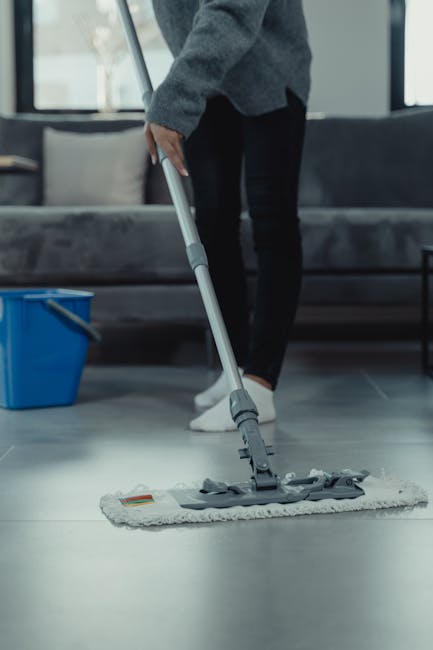
- Bucket, mop and warm water: Still one of the simplest ways to finish floors properly.
- Descaling and degreasing products: Often needed in kitchens and bathrooms, especially in hard-water areas.
- Oven-cleaning tools: Useful where baked-on grease needs patient removal rather than force.
- Protective gloves: Helpful for comfort and safety during longer cleaning sessions.
If you want a service that is also set up to handle practical concerns beyond the cleaning itself, the company's insurance and safety page is a useful read. For those who want to understand how service terms are handled, terms and conditions and payment and security can provide extra reassurance before booking.
And if your move-out is part of a broader local life change, a few nearby reads can be useful for context, like is Tooting a pleasant place to reside or getting to know the laidback vibe of this London suburb. They're not cleaning guides, but they do help paint the local picture.
Law, Compliance, Standards and Best Practice
End of tenancy cleaning is not usually about chasing a specific legal standard line by line. In the UK, the practical issue is more often about tenancy obligations, inventory evidence and reasonable cleanliness expectations at checkout. The exact wording will depend on the tenancy agreement and the condition of the property at the start of the tenancy.
The safest approach is usually this: return the property to a clean, presentable condition, account for fair wear and tear, and keep evidence of what was done. That way, if there is a disagreement later, you have a sensible position to stand on. Landlords and letting agents commonly compare the move-out condition with the inventory or check-in report, so those documents are worth taking seriously.
From a best-practice point of view, reputable cleaners should work carefully around surfaces, use suitable products, and avoid damage. That includes being mindful of electrical fittings, appliances, fragile fixtures and damp-sensitive materials. If cleaning equipment or detergents are being used around busy homes or shared buildings, health and safety matters too. A good provider should be able to explain how they work safely and responsibly.
It is also worth remembering that "clean" can be interpreted differently by different people. What satisfies one agent may be judged too lightly by another. Because of that, the smart move is not to aim for minimum effort. Aim for a clean that would stand up to ordinary scrutiny.
Options, Methods and Comparison Table
There are a few ways to approach the job, and each one has a place. The right choice depends on budget, time, and how demanding the property is likely to be at checkout.
| Option | Best for | Pros | Drawbacks |
|---|---|---|---|
| DIY clean | Small, lightly used properties | Lowest direct cost, flexible timing | Time-consuming, easy to miss hidden areas |
| Partial professional clean | Tenants on a tighter budget | Focus on high-risk rooms like kitchen and bathroom | May not cover everything needed for checkout |
| Full end of tenancy clean | Most move-outs, especially larger or older homes | More thorough, better for inspection confidence | Higher upfront cost than DIY |
| Add-on specialist cleaning | Carpets, upholstery, ovens, or stubborn marks | Targets the problem areas that matter most | Can increase the final price if overused |
For many renters, the middle path is the sweet spot. You handle the simple prep, clear the space, and let professionals focus on the details that actually take time. That approach often keeps the job affordable without turning it into a half-measure.
Case Study or Real-World Example
Imagine a two-bedroom flat in SW17 at the end of a year-long tenancy. The tenants have already moved out most of their belongings, but the kitchen has grease on the extractor hood, the bathroom has water marks around the taps, and one bedroom carpet has picked up a dull traffic path near the bed.
A purely DIY clean might take most of a weekend, and even then the oven, carpet and bathroom details may still look tired. A more focused approach would be to clear the flat completely, clean the obvious surfaces first, and then bring in targeted support for the areas most likely to fail a checkout: oven, bathroom fixtures, carpets and skirting boards.
That is where affordability comes from in real life. Not by cutting everything, but by spending wisely on the bits that matter most. The result is cleaner, quicker, and more likely to satisfy the handover inspection. The tenants avoid a last-minute scramble, and the property is left in a much better state for the next occupant. Simple enough. Not easy, maybe, but simple enough.
Practical Checklist
Use this before the final handover.
- All belongings removed from the property
- Bins emptied and rubbish taken out
- Kitchens surfaces, cupboards and appliances cleaned
- Oven, hob and extractor checked carefully
- Bathrooms descaled and wiped dry
- Toilets, sinks, taps and tiles cleaned
- Floors vacuumed and mopped
- Carpets checked for visible marks or odours
- Upholstery inspected if included in the tenancy
- Skirting boards, doors and switches wiped down
- Inside windows and accessible glass cleaned
- Light fittings and vents dusted
- Any damage or maintenance issues noted separately
- Before-and-after photos saved
- Keys, meter readings and final documents ready
If you can tick most of that off, you are in a much better position. If not, that is exactly where a focused professional clean earns its keep.
Conclusion
Affordable end of tenancy cleaning in Tooting SW17 is really about balance. You want a clean that is thorough enough to satisfy the checkout, practical enough to fit a moving schedule, and sensible enough to avoid waste. That means understanding the property's condition, prioritising the right rooms, and choosing support that is proportionate rather than excessive.
For many tenants, the most cost-effective route is a well-planned clean with the right scope, a few targeted extras where needed, and a final inspection before keys are returned. For landlords and agents, it means fewer surprises and a smoother handover. Everyone wins a bit. Rare, but welcome.
Get a free quote today and see how much you can save.
Moving house is tiring, no question about it. But leaving a place clean, calm and properly finished has a way of closing one chapter neatly before the next begins.